What Is Remedial Works in Fire Safety?
Remedial works are the repairs that put right a defect found in work already built, rather than anything new. In fire safety they are the firestopping repairs a survey, fire risk assessment or enforcement notice calls for: a missing cavity barrier, an unsealed penetration, or a seal with no evidence it matches a tested or assessed detail. Skyline closes each one with a tested system and evidences it before it is covered over.
Skyline is a BM TRADA Q-Mark certified installer and a specialist firestopping contractor across Greater London and the M4 corridor, with firestopping delivered at The Gherkin, Olympic Park and Grosvenor Square. Every repair is installed as its own tested system and evidenced before it is covered over.
What does remedial works mean?
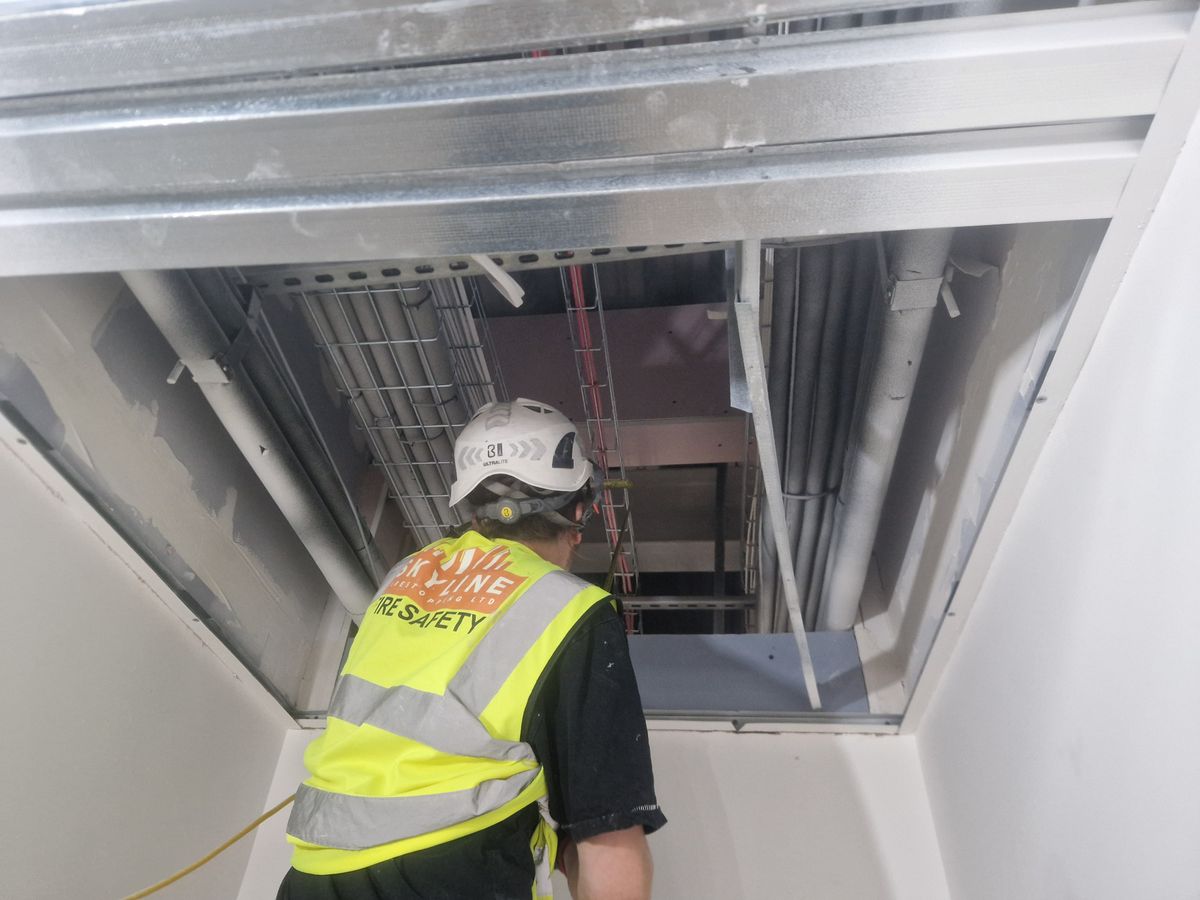
What is remedial works? Remedial works means work carried out to put right a defect, fault or failure in something already built, rather than new construction. The remedial works meaning is a corrective one: on a building, remedial works fix what an inspection or survey has found to be wrong and bring it back to the standard it should have met.
In fire safety the term is narrower. Firestopping remedial works are the repairs that close a defect in a building’s fire protection: a hole through a compartment wall left unsealed, a cavity barrier that was displaced or never fitted, or a seal with no evidence it matches a tested or assessed detail. Approved Document B defines a fire-stop as a seal that closes an imperfection of fit or design tolerance between elements or components, to restrict the spread of fire and smoke. Remedial works are how that seal is put right when it is missing or has failed.
Remedial works at a glance
A compartmentation or firestopping survey, a fire risk assessment action plan, or a fire safety enforcement notice.
Intrusion SurveySkyline photographs each repair before cover-up, tags it and records it as installed.
The golden threadA competent firestopping installer. Third-party certification is a recognised way to show it, and Skyline holds the BM TRADA Q-Mark.
Certified vs generalistWhat are remedial works in a building?
In a building, remedial works correct the defects a survey logs on the compartment line, and Skyline closes each one as a tested system. A survey checks the crossings in its scope where a pipe, cable, duct or joint passes through a fire-rated wall or floor, and looks for an evidenced seal at each. What it finds falls into four types.
One compartment wall in section. Each ring marks a defect a survey finds, numbered to match the list below. Where they occur in a real building is set by its own survey.
What is remediation work, and how is it different?
In everyday construction the two words are used interchangeably, while building safety uses remediation more narrowly. For firestopping, both come down to the same thing. A defect in the compartment line is found, closed and evidenced, so the building can show what was fitted and where.
The broad corrective term. Any work that fixes a fault a survey or assessment finds, from a single failed penetration seal to a run of breached cavity barriers.
The same act of putting right, used more narrowly in building safety for the programmes correcting life-critical defects in higher-risk buildings under the Building Safety Act.
How do you identify the remedial works a project needs?
On a live project, the remedial works needed are identified by the finding that opens them. A compartmentation survey or firestopping audit records each breach it finds within its scope, with a location, a photograph and a severity. A fire risk assessment may recommend firestopping action or a specialist compartmentation survey. A fire safety enforcement notice, served by the enforcing authority under the Regulatory Reform (Fire Safety) Order 2005, names the failures and sets a date to put them right. For most premises that authority is the fire and rescue authority. Skyline then scopes each item against the tested system that closes it, installs it, and evidences it before it is covered over.
A finding is not closed when the hole is filled. Skyline closes it when the repair is photographed, tagged and recorded as installed, so an auditor, insurer or building control can see what was fitted and where. On a higher-risk building, that record can form part of the golden thread.
Common questions about remedial works
What is the difference between remedial works and remediation?
They describe the same idea, which is putting a defect right. In everyday construction the two words are used interchangeably. In building safety, remediation often means correcting fire-safety defects in existing buildings, such as unsafe cladding or defective compartmentation. Remedial works is the broader term for any corrective work a survey or assessment calls for.
What triggers fire remedial works?
A defect in the building’s fire protection comes to light. The usual sources are a compartmentation or firestopping survey, the action plan of a fire risk assessment, a fire safety enforcement notice, or breaches left by other trades during refurbishment.
Are remedial works evidenced?
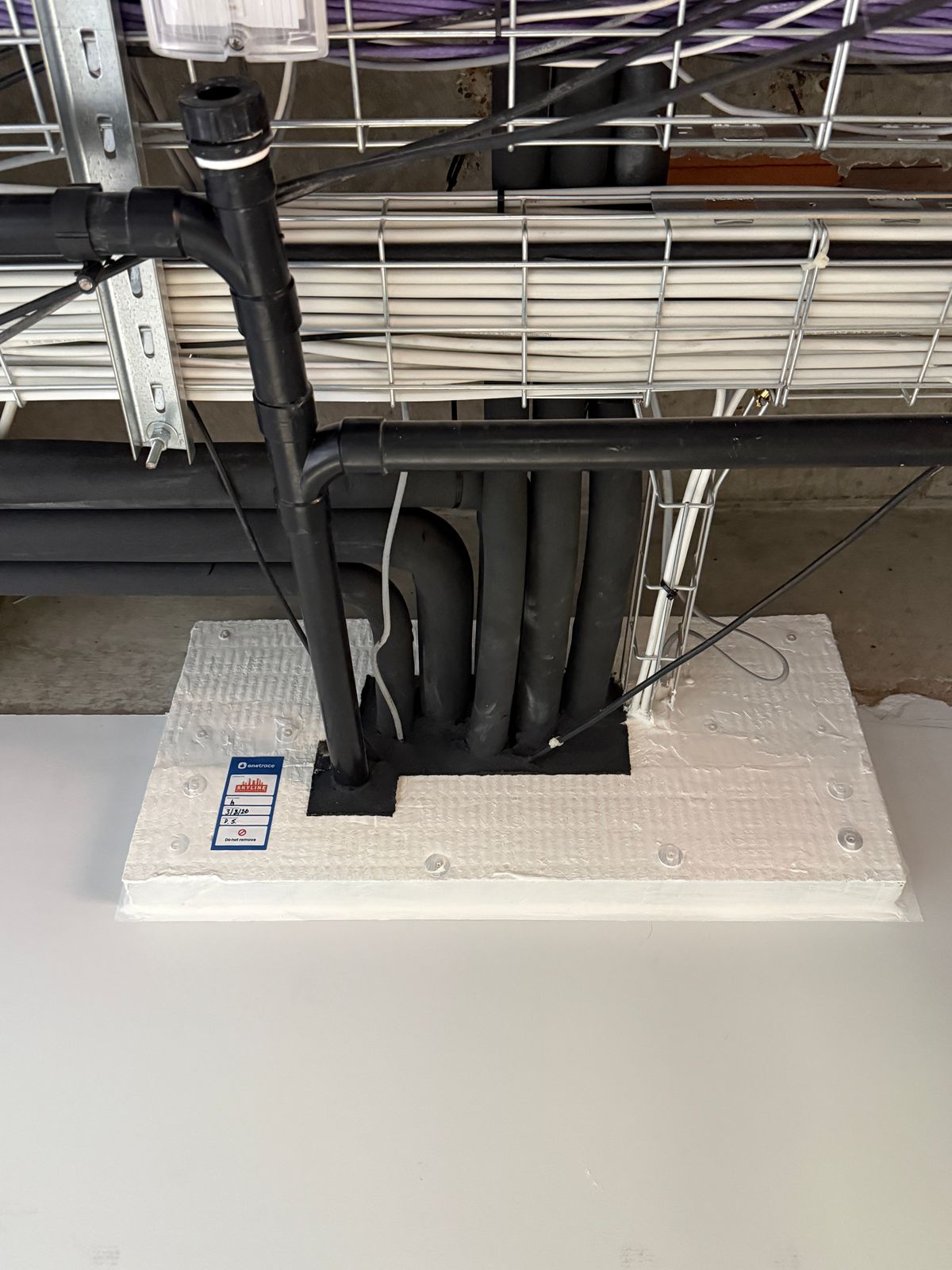
Yes. Skyline installs each repair as a tested system and photographs it before it is covered over, then tags it and records it as installed. On a higher-risk building that record can form part of the golden thread. Skyline retains the record for 15 years, so an auditor, insurer or building control can see what was fitted and where.
What is a fire safety enforcement notice?
It is served by the enforcing authority under the Regulatory Reform (Fire Safety) Order 2005 when a duty holder has not complied with the Order. For most premises that authority is the fire and rescue authority. It names the failures found and sets a date by which they must be put right. Where those failures are in firestopping, closing them is remedial works.
What are FRA remedial works?
They are the firestopping actions a fire risk assessment recommends. An assessment may not see hidden breaches, so it often calls for a specialist compartmentation survey. The FRA remedial works are the repairs that close what both of them find.
Who should carry out fire remedial works?
A competent firestopping installer. The work is hidden once the ceiling is closed, so the installer should be able to prove competence and evidence every repair. Third-party certification is a recognised way to do that, and Skyline is a BM TRADA Q-Mark certified installer.
Keep reading
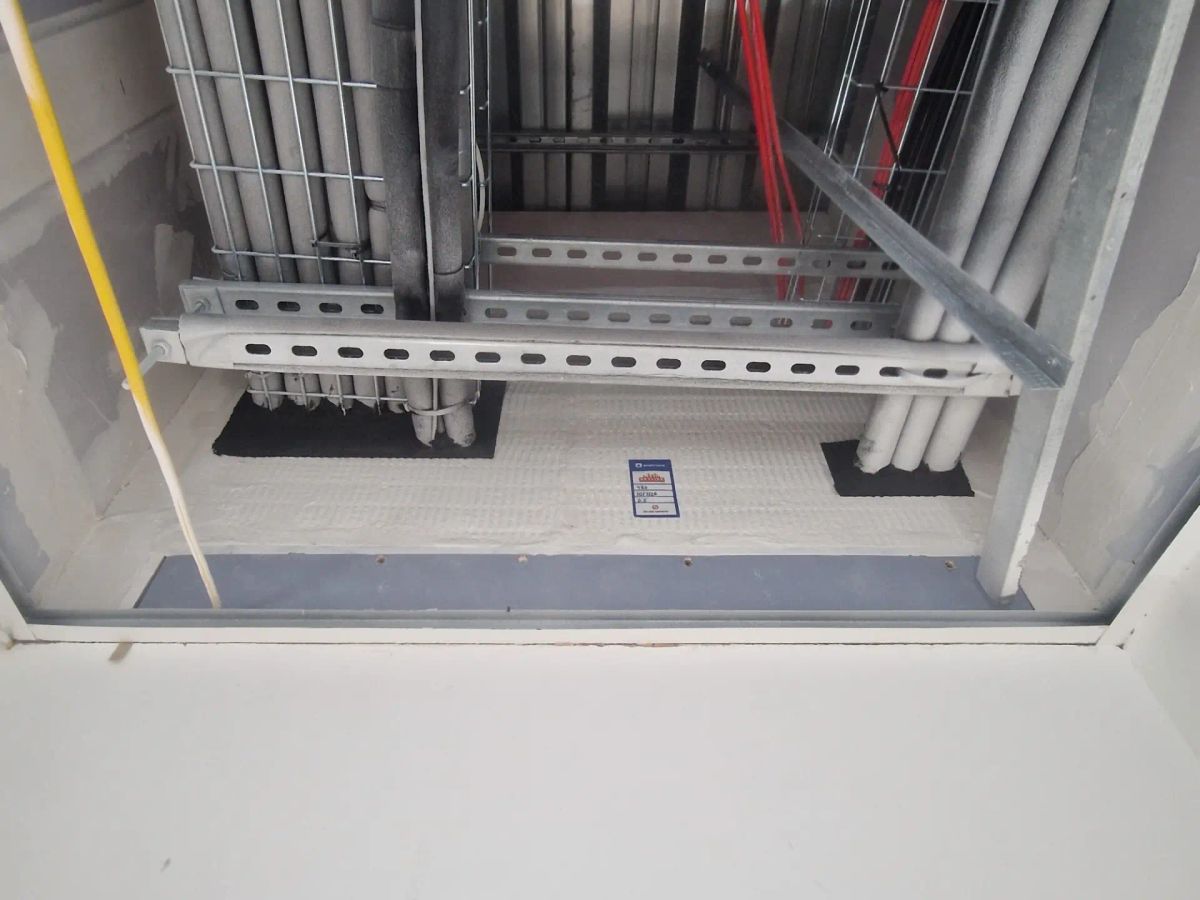
Remedial Firestopping
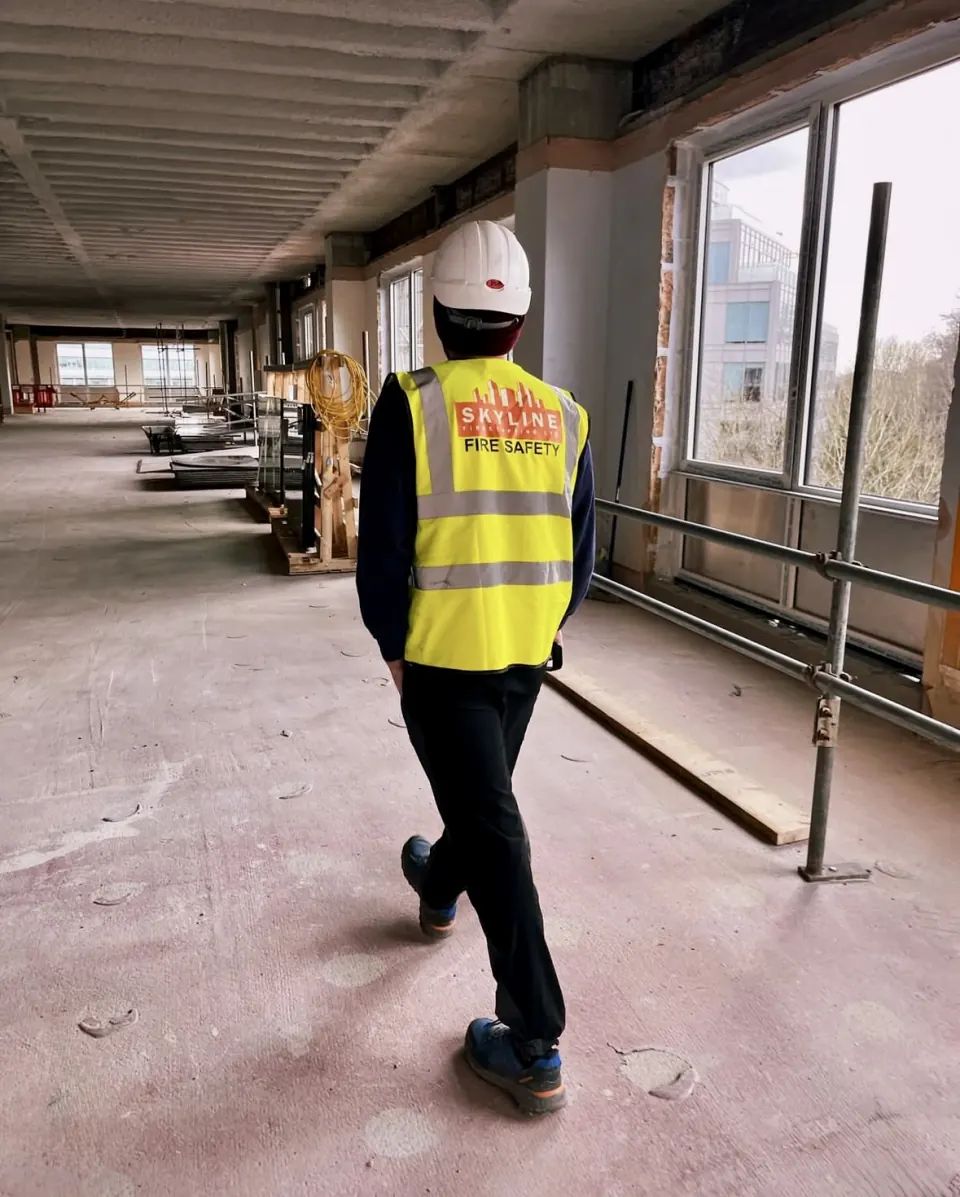
Intrusion Survey
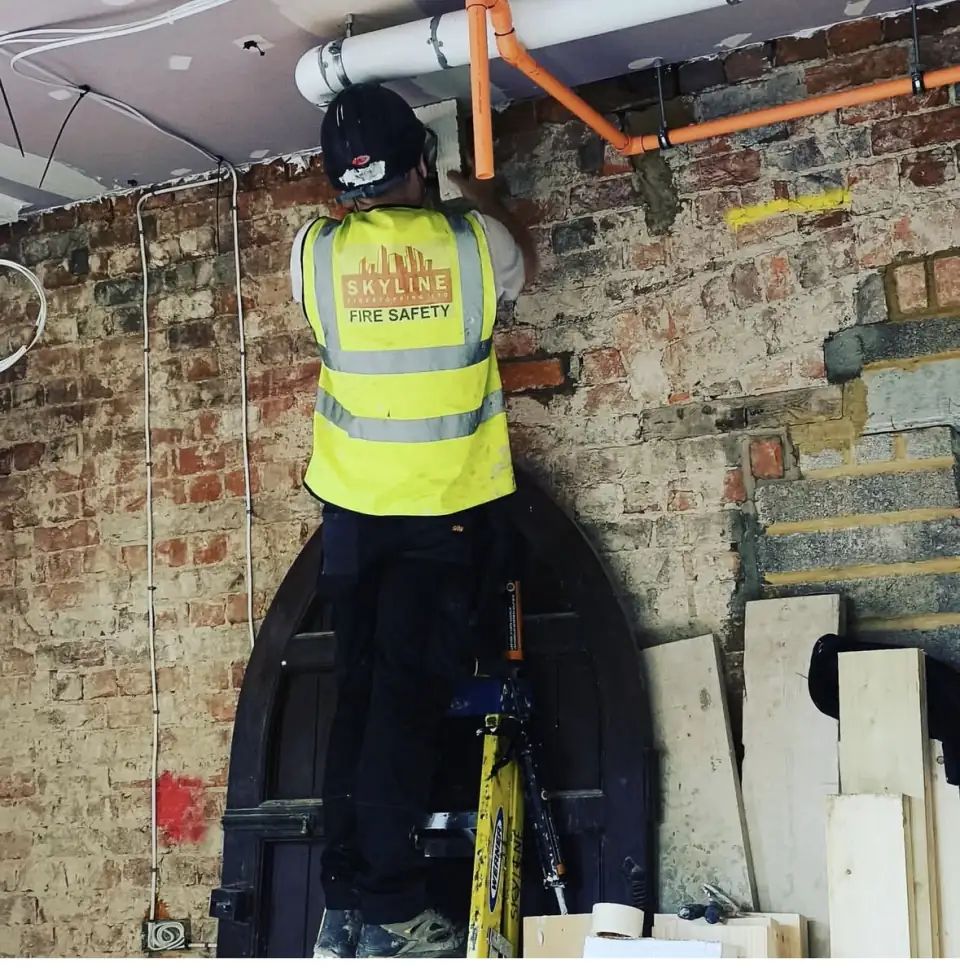
Certified vs Generalist Installer
Fire remedial works, closed out and evidenced
If a survey, fire risk assessment or enforcement notice has found firestopping that does not hold, Skyline puts it right as a tested system and hands you the photographed, tagged record. Send the findings for a quote.