Education & CPD

Firestopping Education & CPD Training

Specify firestopping you can defend. Free access to everything we publish on firestopping, plus an in-person half-day CPD course. For specifiers, architects, main contractors and building safety managers.

Specifying firestopping means carrying the handover, the audit and the insurer’s questions. The work should hold in a fire and hold up in an audit.

Delivered by Skyline’s BM TRADA Q-Mark-certified installer team. Tell us who’s attending and what they need to walk away able to do; we shape the session accordingly.

The offer
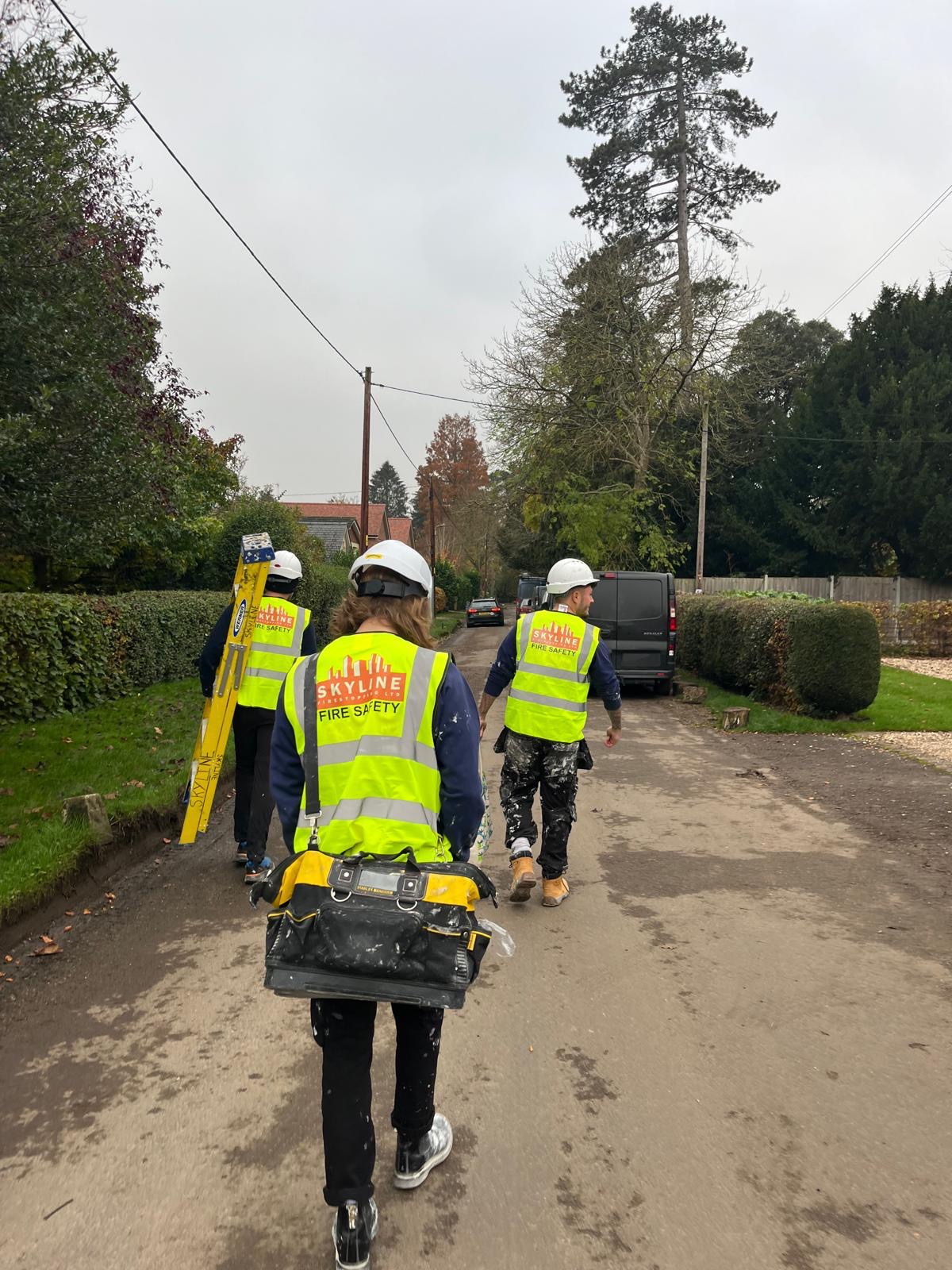
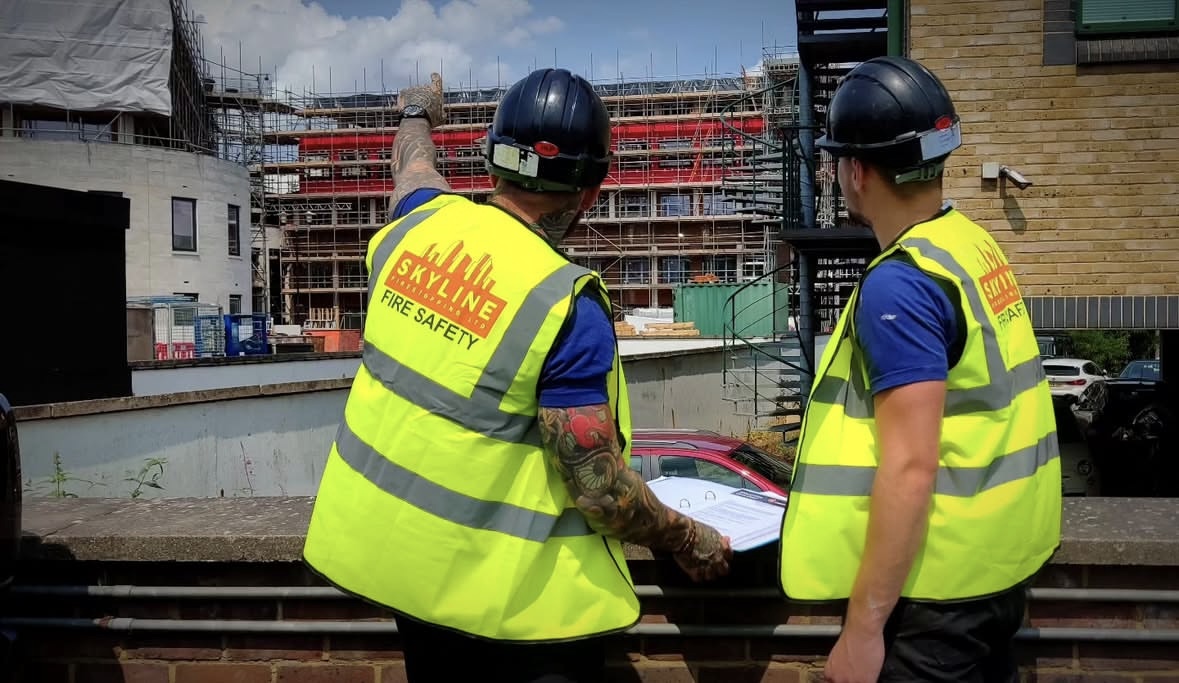
Skyline installers reviewing firestopping work on a live scheme

The free resource library

Our guides and explainers on firestopping and the regulations around it are free to read: useful alongside the course and open to use on your own schemes.

Written and checked by a BM TRADA Q-Mark certified installer

Read it any time at skylinefirestopping.com/resources. No separate booking is needed.

Skyline's BM TRADA Q-Mark certified installer team on site

In-person ½-day CPD courses

Structured CPD training for your team, taught in person over half a day: firestopping best practice and the latest regulations, from the people who install and evidence the work.

Delivered by a BM TRADA Q-Mark certified installer teamRequest a session
Why we teach

The safety failure no one can see

Firestopping is the work hidden behind the wall, and it is easy to leave undefended. A certificate alone does not document how each seal was installed and evidenced.

When a regulator or insurer asks your team to prove it, that gap becomes your problem: a stalled handover, a delayed sign-off, and a liability that follows the building for years. Training closes it before it costs you.

  • Plain English, not jargon Your obligations explained for non-experts. Project directors, developers and building safety managers leave knowing exactly what to ask for.
  • Taught by the team that installs it The people behind the wall have done this before, on the buildings that can’t get it wrong.
  • Help, not hinder Flexible, pragmatic and collaborative. We make compliance easier to deliver, not another thing to fight.
Read the video transcript

What would be your one to three best pieces of advice to do with fire stopping? Always check and check again. So, for example, if you're installing something or you've seen something that's been installed, always check that it is installed as per the manufacturer's guidelines because that's how it's tested.

The second piece of advice is really, really stupid. Don't prop fire doors open with fire extinguishers. I see it all the time. If it's a fire door, it's supposed to be closed. If it's open, it's not a fire door anymore, it's just a massive opening.

My number three piece of advice, which I've mentioned before, is just don't assume you know what the correct thing is here, what the correct thing is there. Always double check whether that's with a governing body or the manufacturer. Always double check. It's always worth doing.

Don’t assume you know what the correct thing is here, what the correct thing is there. Always double check whether that’s with a governing body or the manufacturer.
TF
Tom FordFounder, Skyline Firestopping · from “Three firestopping best-practice tips”
What the CPD session covers

What your team walks away able to do

Who teaches it
Tom Ford Founder, Skyline Firestopping · Making our cities safer

Skyline’s founder. He teaches from live firestopping work, tested systems and recorded site evidence, not slides.

Skyline Firestopping · Education & CPD Session running order
Half-day
CPD
  1. 01
    Know exactly what you’re on the hook for Your legal duties on a building, in plain English: what a regulator can ask for, where the liability sits, and how to stay ahead of it.
  2. 02
    What good looks like — and what fails A teardown of real installs: failed seals, mixed systems and the complacency behind them, with photographs from site.
  3. 03
    Tested systems, installed exactly as tested No engineering shortcuts, no “site decisions” on safety-critical seals: why systems must be installed exactly as tested.
  4. 04
    The golden thread, in plain English What defensible evidence looks like: every penetration, joint and cavity photographed before, during and after cover-up. Nothing is reconstructed afterwards.
Taught in person · half a day · BM TRADA Q-Mark certified Request a session →

Built on the firestopping systems you’ll actually find on site

We install and evidence tested systems from established manufacturers. The technical detail behind every session comes from products specified on real buildings, not a generic slide deck.

Rockwool
Quelfire
Nullifire
Protecta
Firefly
Where it leads

Surveys, installation & the free resource library

What you can stand behind

Training you can trust, from the people who do the work

Firestopping training — sometimes booked as a fire stopping course — is practical instruction that teaches construction and building-safety teams what defensible fire protection looks like, how it must be installed and evidenced, and how to spot work that will not survive scrutiny. It doubles as building safety act training: firestopping, compartmentation and the golden thread, covered in the same session.

Buyers reach this page under different names. Some are searching for a passive fire protection course. Others want passive fire protection training instead, and land on the same in-person session. A project team logging it for continuing education books it as fire safety CPD. Whichever door you came in by, it runs as one structured half day in the room, not a webinar and not a stand-alone toolbox talk.

Skyline is a passive fire protection contractor first, so everything it publishes on firestopping comes from live site work, not theory: the guides on fire rated board and how fire spreads, the explainers, and the wider library of firestopping guides, all free to use. Skyline runs these sessions because a client who understands defensible firestopping specifies better work and has fewer problems at handover. Where a session raises questions about your own building, the usual next step is the Intrusion Survey, which identifies breaches floor by floor. It is optional; the training stands on its own.

Who is firestopping training for?

It is for the people who design, specify and sign off the work behind the wall: architects, principal designers, project directors, building safety managers and the site teams doing the work. You do not need a technical background to attend.

Where do you run firestopping courses?

Skyline teaches the half-day course in person, on your site or in your office, across Greater London and the M4 corridor. Booking is simple: tell us who the audience is and what you want them to walk away able to do, and we shape the session around that. Where a session leads to work on your building, the same team that teaches it does the work.

Is this CPD, and who teaches it?

Sessions are delivered as continuing professional development (CPD) by Skyline, a BM TRADA Q-Mark certified contractor, led by the practitioners who install and evidence firestopping every day, not third-party trainers reading from slides. The content comes from real installs on landmark projects including The Gherkin, Olympic Park and Grosvenor Square, not generic theory, so what your team learns matches what they will actually meet on site.
Education & CPD

Booking a fire stopping course with Skyline

Practical CPD sessions taught in person, shaped around your team, by a BM TRADA Q-Mark certified contractor.