
What Are the Four Main Factors Influencing Fire Spread in Buildings
What are the four main factors influencing fire spread? How regulations and guidance address compartmentation, penetrations, and services coordination.
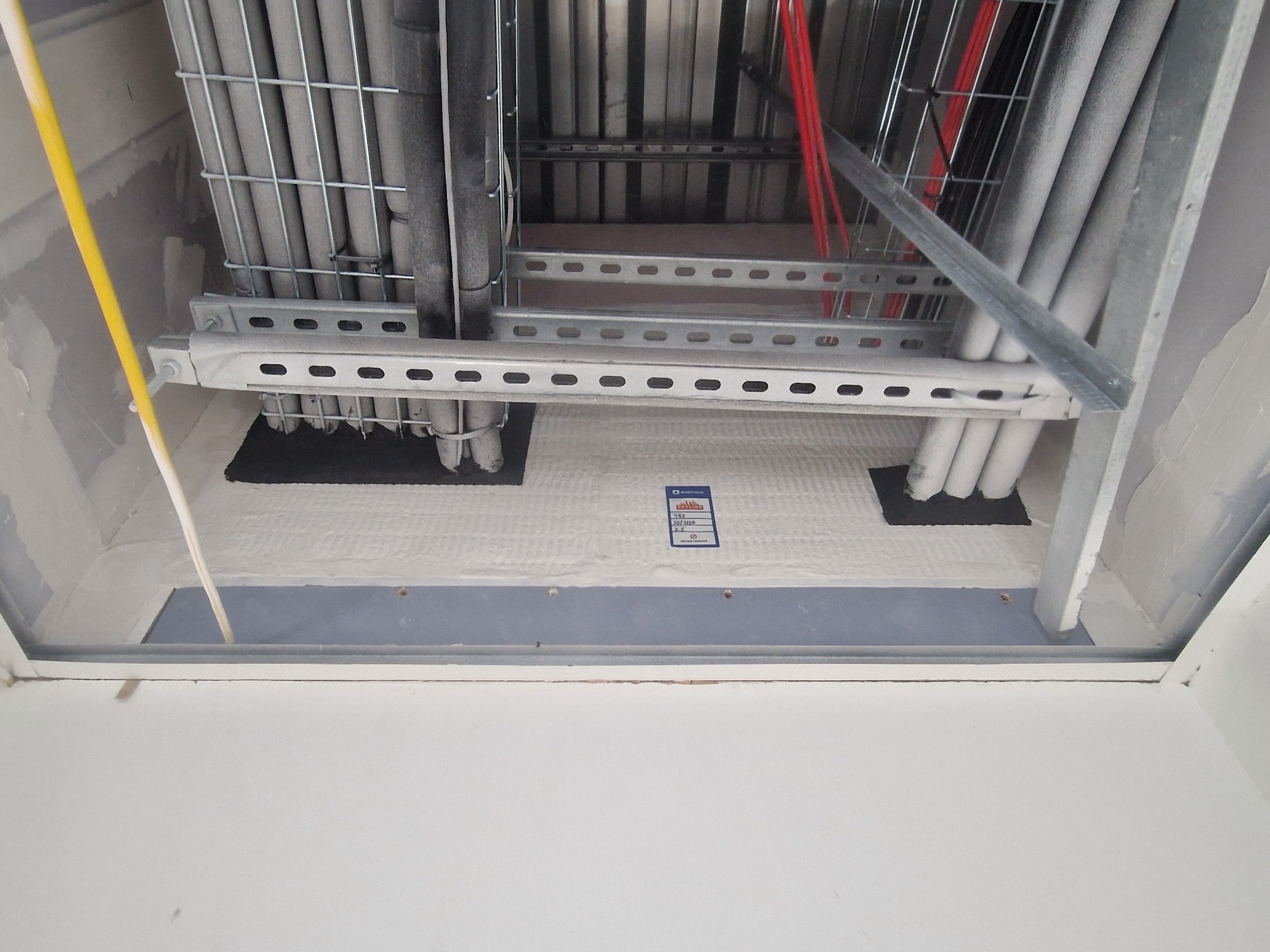
What are the four main factors influencing fire spread? The answer lies in how building regulations and industry guidance address the routes fire can take through a building. Understanding how fire spreads shapes how buildings are designed and how services are coordinated with fire protection measures.
What Approved Document B requires for fire control
Approved Document B states that "where reasonably necessary to inhibit the spread of fire within the building, measures shall be taken, to an extent appropriate to the size and intended use of the building, comprising either or both of the following— (a) sub-division of the building with fire-resisting construction; (b) installation of suitable automatic fire suppression systems."
Approved Document B Volume 2 sets out Requirement B3, which states: "The building must be built such that all of the following are achieved in the event of a fire: a. the premature collapse of the building is avoided b. sufficient fire separation is provided within buildings and between adjoining buildings c. automatic fire suppression is provided" where required.
Read with the industry guidance below, they point to four main factors: fire-resisting construction, service penetrations, services and loads on partitions, and structural fire resistance.
Service penetrations and compartmentation
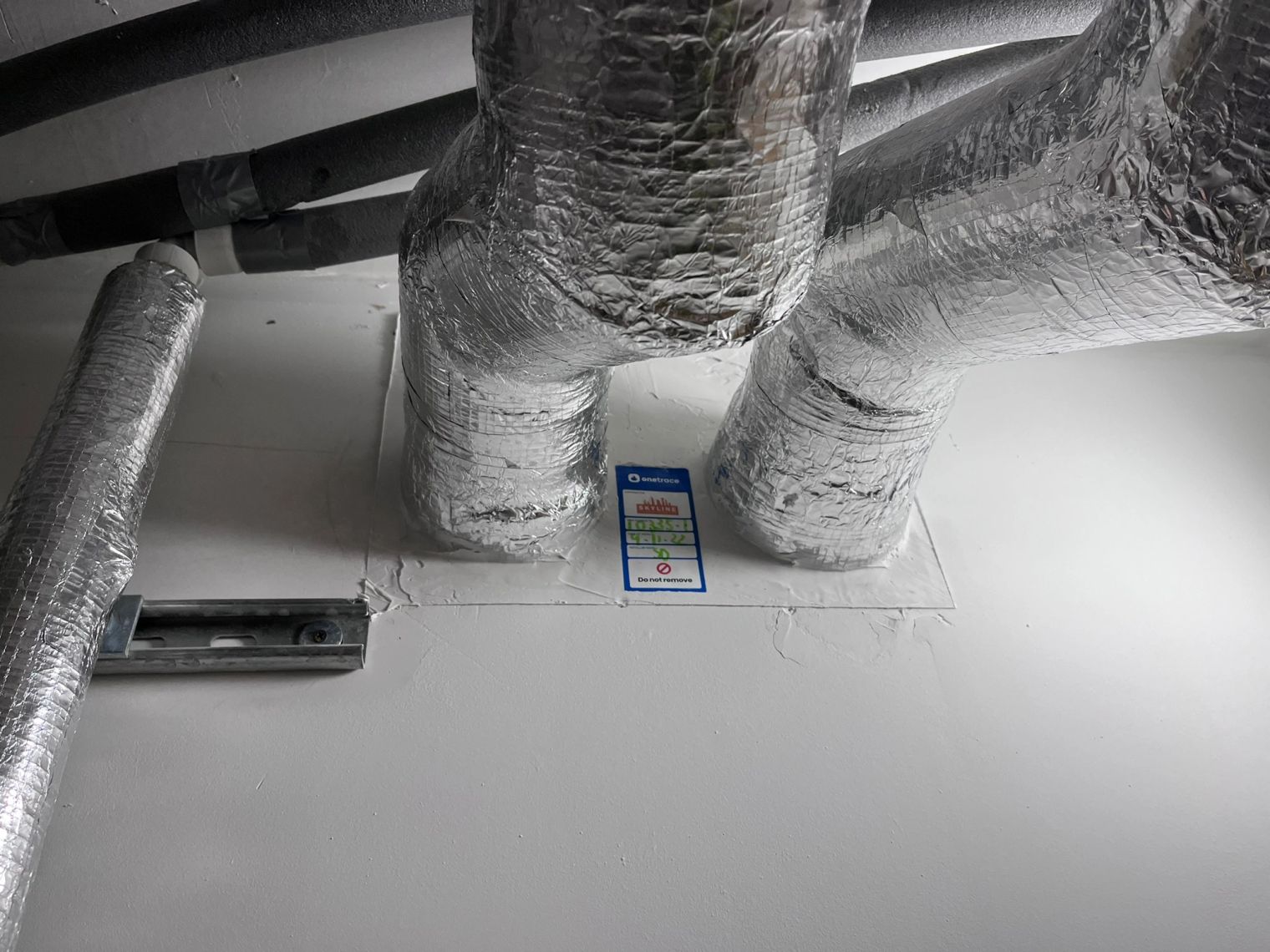
BM TRADA's Q-Mark scheme states: "Where services such as water, gas, electrics or communications penetrate through a building's fire resistant compartment lines, it is vitally important to ensure that the hole is appropriately sealed with a suitable fire stopping solution."
This requirement applies wherever services cross compartmentation boundaries. The integrity of fire-resisting construction depends on proper sealing of every penetration.
What ASFP guidance says about walls and services
ASFP technical guidance on partition design "includes guidance on what to consider when partitions are fitted with services which may impose a load on the partition e.g. fire dampers, penetrating services and other items such as fire doors and glazing."
Their documentation on fire design "contains a section on fire design which brings together the various elements and demonstrates the critical role that walls play and the need to consider what is attached or passing through the wall when they are being designed."
This guidance makes clear that fire-resisting walls cannot be considered in isolation from the services that pass through them or are attached to them.
The coordination requirement
The ASFP guidance demonstrates that walls must be designed with consideration for what is attached to or passing through them. Fire dampers, penetrating services, fire doors, and glazing all impose requirements on partition design.
When services coordination happens separately from fire strategy, the relationship between wall design and services loading may not be addressed until installation reveals conflicts.
What the regulations require for higher-risk buildings
For higher-risk buildings, the Building Safety Act addresses "managing the risk of fire spread in any part of the higher-risk building." This places specific duties on those responsible for such buildings.
Practical steps from the guidance
The sources point to specific considerations:
Design integration: ASFP guidance states that fire design must consider "what is attached or passing through the wall when they are being designed." This means services coordination drawings should identify penetrations through fire-rated elements.
Penetration sealing: BM TRADA guidance confirms that every penetration through fire-resistant compartment lines requires sealing with a suitable fire stopping solution.
Load considerations: ASFP guidance addresses services that "may impose a load on the partition e.g. fire dampers, penetrating services and other items."
Competent installation: Third-party certification schemes like BM TRADA Q-Mark verify that installers have the competence and systems to deliver compliant work.
What are the four main factors influencing fire spread: summary
The regulations and guidance address fire spread through:
- Fire-resisting construction. Approved Document B requires sub-division of buildings with fire-resisting construction where reasonably necessary to inhibit fire spread.
- Service penetrations. BM TRADA confirms that penetrations through fire-resistant compartment lines must be sealed with suitable fire stopping solutions.
- Services and loads on partitions. ASFP guidance addresses fire dampers, penetrating services, and other items that impose loads on partitions.
- Structural fire resistance. Requirement B3 states that premature collapse of the building must be avoided in the event of fire.
Understanding what are the four main factors influencing fire spread helps those responsible for buildings ensure that fire protection measures are coordinated with services installation from design through to completion.
Frequently asked questions
When should firestopping be installed relative to M&E services?
Firestopping should be installed after services penetrate fire-resisting construction. BM TRADA guidance states that penetrations through fire-resistant compartment lines must be sealed with suitable fire stopping solutions.
What guidance covers services loads on fire-rated partitions?
ASFP technical guidance includes guidance on what to consider when partitions are fitted with services which may impose a load on the partition, including fire dampers, penetrating services, fire doors and glazing.